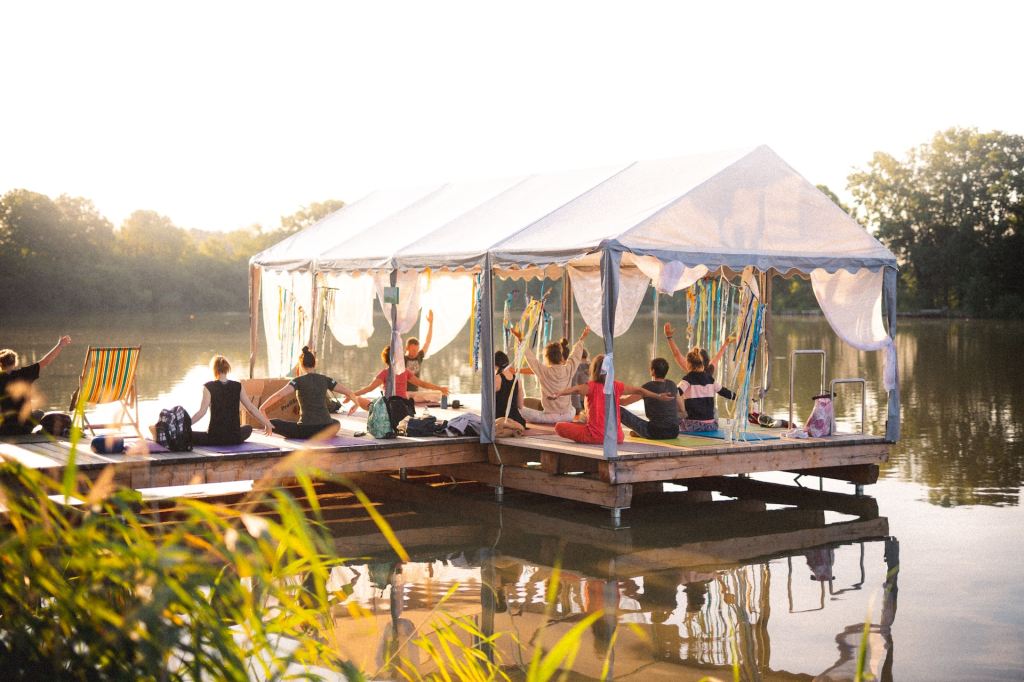
If you’re new to yoga, your first class may feel a little intimidating or overwhelming, but don’t worry. Most yoga classes are designed to be welcoming and inclusive, and your teacher and fellow students will likely be happy to help you get started.
Here are a few things you can expect in your first yoga class:
- Arrival and Set-Up: Arrive at least 10-15 minutes early to allow time to sign in, set up your mat and any props you may need, and get familiar with the space. Your teacher may ask you to fill out a waiver or introduce yourself to the class.
- Breathing Exercises: Many yoga classes start with breathing exercises to help you connect with your breath and prepare your mind and body for the practice.
- Warm-Up Poses: Your teacher may lead you through a series of gentle warm-up poses to help loosen up your muscles and joints and prepare you for the more challenging poses.
- Main Sequence: The main sequence of the class will typically involve a series of yoga poses or asanas that are sequenced together to help build strength, flexibility, balance, and focus.
- Cool-Down and Relaxation: At the end of the class, your teacher may lead you through a series of cool-down poses to help release any tension or tightness in your muscles, followed by a relaxation or meditation practice to help you feel more centred and calm.
What Should I Wear?
When it comes to choosing what to wear to a yoga class, comfort and flexibility are key. Here are some guidelines to help you select appropriate attire:
- Breathable and Stretchy Clothing: Opt for lightweight and breathable fabrics that allow for ease of movement. Materials like cotton, bamboo, or moisture-wicking synthetic blends are commonly used for yoga attire. Stretchy fabrics like spandex or elastane provide flexibility and allow you to move freely.
- Fitted but Not Restrictive: Choose clothing that is fitted but not too tight or constricting. This ensures that your movements are not hindered while still providing modesty and comfort. Loose or baggy clothing may get in the way or make it difficult for the instructor to observe your alignment.
- Layers: Depending on the climate and temperature of the studio, consider wearing layers that you can remove or add as needed. This allows you to adjust your clothing to your comfort level during the class.
- Consider the Type of Yoga: Different styles of yoga may have specific clothing recommendations. For more active and dynamic practices like Vinyasa or Power Yoga, you may prefer wearing shorts, leggings, or capris. For more relaxed and gentle practices like Yin or Restorative Yoga, you may opt for longer pants or leggings and a comfortable top.
- Bare Feet or Yoga Socks: Most yoga classes are practised barefoot, but if you prefer to have some grip or warmth, you can consider wearing yoga socks with non-slip soles.
- Avoid Jewellery and Excessive Accessories: It’s best to remove any jewellery or accessories that might get in the way or cause discomfort during the practice. This includes large earrings, bracelets, or necklaces that may interfere with certain poses.
Remember, the most important thing is to wear something that allows you to move comfortably and doesn’t distract you during your practice. Dress in a way that makes you feel confident and ready to engage in the yoga class.
What Should I Ask My Teacher In My First Class?
In your first yoga class, it’s important to ask your yoga teacher any questions or address any concerns you may have. Here are some suggestions for questions you can ask:
- What style of yoga are we practising today? This will help you understand the focus and intensity of the class.
- Are there any specific instructions or modifications I should be aware of as a beginner? This will help you understand how to adapt poses to your skill level and any limitations you may have.
- What should I expect during the class? Understanding the flow of the class, the duration, and any specific components like meditation or breathing exercises can help you mentally prepare.
- What props or equipment do I need for the class? Some yoga classes may require specific props like blocks, straps, or blankets. It’s good to know in advance if you need to bring anything or if they are provided.
- Are there any injuries or medical conditions I should inform you about? If you have any specific health concerns or injuries, it’s important to inform your yoga teacher so they can provide appropriate modifications or adjustments.
- Is there anything I should focus on or be mindful of during the class? This question can help you understand the intention or theme of the class and guide your practice accordingly.
- Can you recommend any resources or tips for developing a consistent yoga practice outside of class? Your teacher may have suggestions for books, websites, or videos that can enhance your learning and progress.
Remember, your yoga teacher is there to guide and support you, so don’t hesitate to ask any questions or seek clarification on anything you’re unsure about. If the idea of practising in a group setting makes you feel self-conscious, book yourself a private yoga class. In a private yoga session, not only do you get a practice that is personalised to your needs, but also the teacher’s undivided attention. You can feel free to ask questions anytime you are in doubt without worry of interrupting a group class.

 Yoga Academy